
Human-Level Intelligence
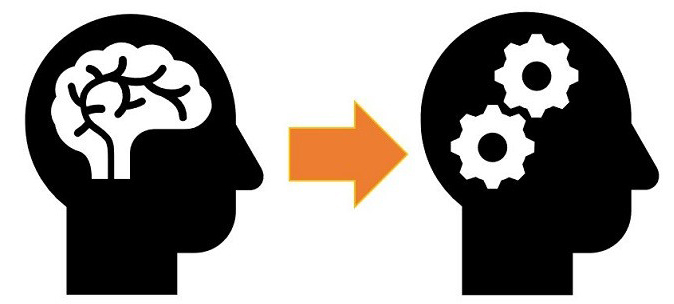 Decisions produced in the human brain are vastly different than the methods used by artificial intelligence. Artificial intelligence processes a fixed set of data to creates a series of probabilities that it uses to predict the most likely outcome. Human intelligence is not so much a predefined body of knowledge, as it is a process of adaptability that produces intelligence on-the-fly as needed. It is this process that is unique in its ability to take very little experience to create a multitude of new decisions producing knowledge as a side effect of the process.
The following intelligence characteristics are what separate humans from machines:
1. Energy Efficiency
2. Self-Awareness
3. Cause-Effect Reasoning
4. Meaningfulness
Human-Level intelligence has qualities and capabilities that current AI science just cannot duplicate. Humans are not emotionless and our behavior is not always grounded in logic. These emotions reflect a myriad of meanings all of which contribute to our decision-making capability. Together they form the human ability to leap beyond the obvious where decision-making is not so black and white. Sometimes, there are no right decisions and sometimes there is no previous experience to guide a new decision. In both case, humans will assign emotions and categorize beliefs to find meaning in all subjects in order to produce inspiration, creativity, and ingenuity to rise above the problems and make the correct decisions.
This is why we created Human Artificial Learning (HAL)